Journal · Buying guides · 3 min read
Fabric vs Leather Sofa: Which Material Suits Your Living Space
Compare fabric and leather sofas for comfort, climate response, and daily maintenance to find the right material for your living room.
The afternoon heat settles into the living room, and you sit down on the sofa to read or rest. Choosing the wrong upholstery leaves you with a surface that feels sticky in the humidity or wears down quickly under daily family use.
Comparing a fabric versus a leather sofa comes down to how each material handles local climate, cleaning routines, and long periods of sitting. We walk through comfort, temperature response, durability, and maintenance so you can choose with confidence.
Evaluating Comfort and Feel
A body settles into a seat differently depending on the surface beneath it.
Leather warms slowly to body heat, offering a firm and responsive touch that holds its shape over hours of reading or conversation.
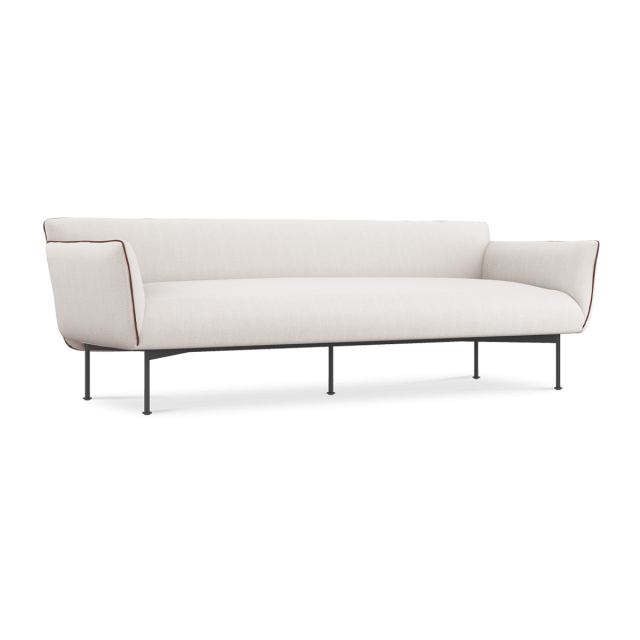
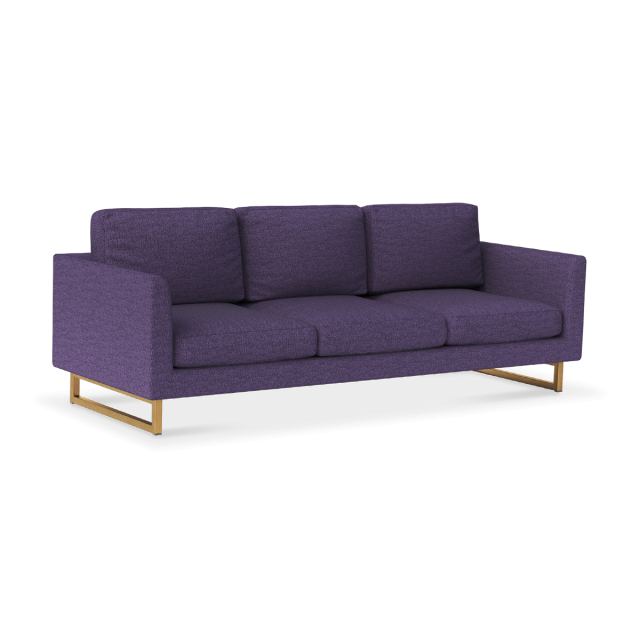
Fabric gives an immediate softness, absorbing the touch with a yielding texture that envelops the sitter.
Climate Response and Temperature
A living room holds the day's warmth long after the sun drops.
Leather adapts to ambient temperatures, requiring a moment to settle against the skin in warmer indoor conditions.
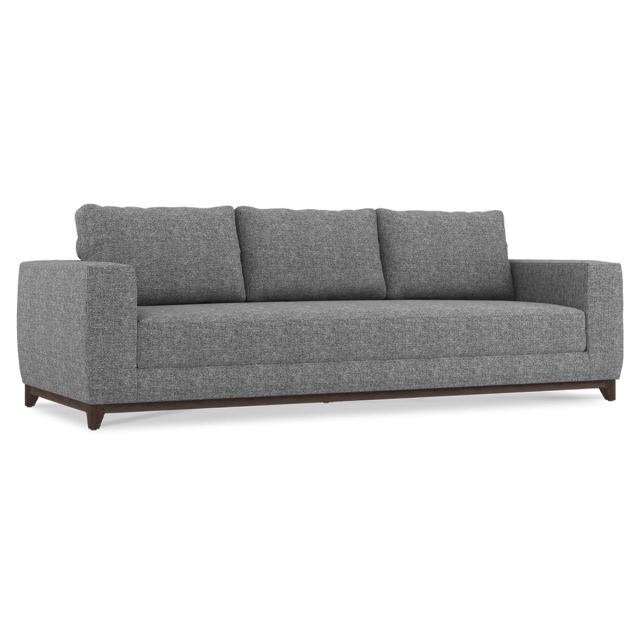
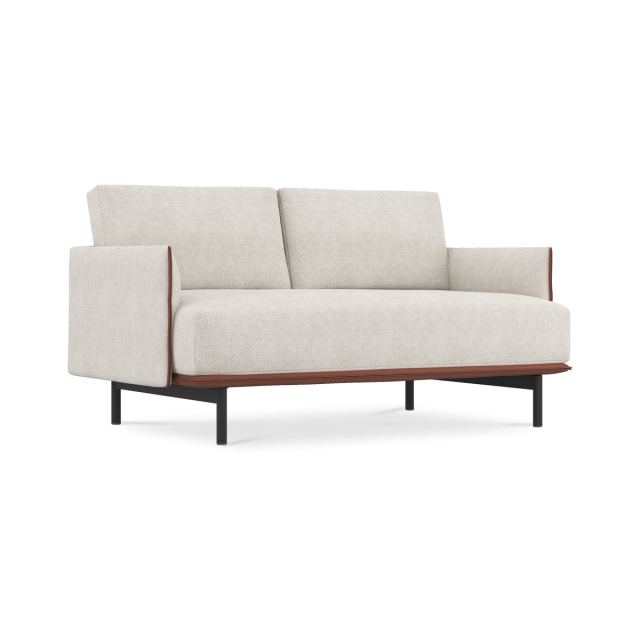
Fabric breathes more easily, dissipating heat across woven fibers to keep the seating surface neutral during extended sitting.
Durability and Daily Wear
An active living room tests seams and frames daily. Leather stretches and softens over years, developing a patina that records frequent use. Fabric withstands daily friction differently, depending on whether the weave is tight or loose.
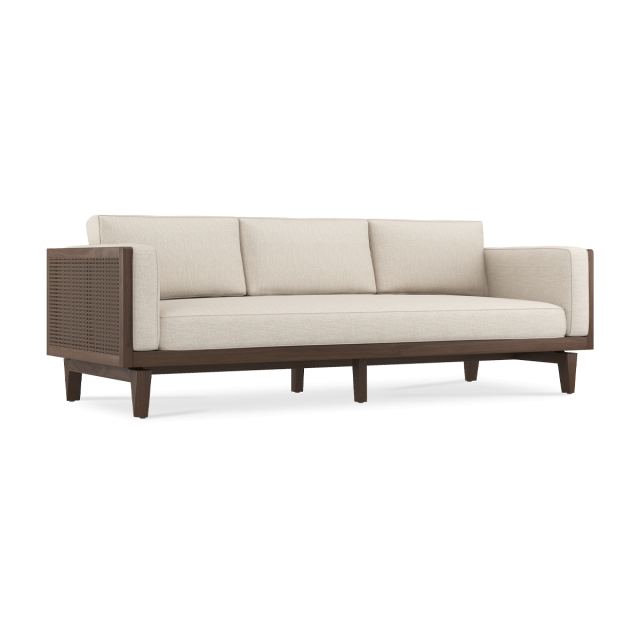
Solid teakwood frames hold the structure firm beneath both surfaces, preventing sag across wide spans. A leather surface resists spills with a quick wipe, while fabric demands prompt attention to prevent staining.
Cleaning and Maintenance Practicalities
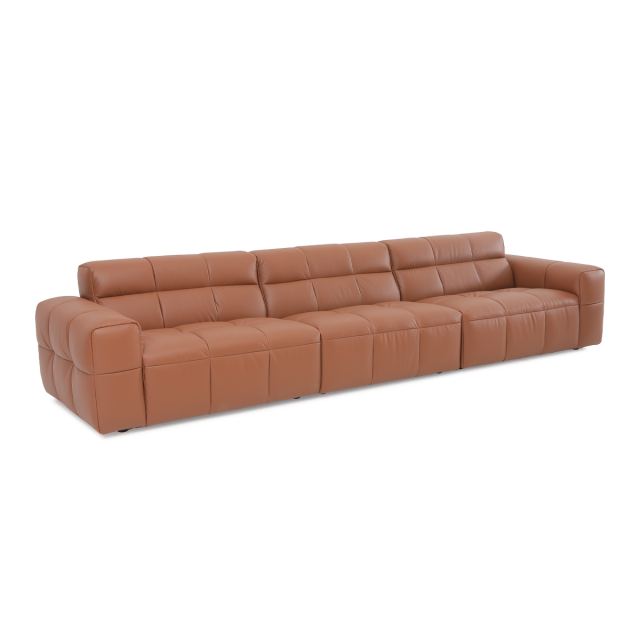
Spills happen where families gather. A smooth leather surface releases dust and liquid with a simple damp cloth, making quick cleanups straightforward. Performance fabric requires vacuuming and occasional spot treatment to clear trapped debris.
Pets introduce claw marks and shedding into the equation. Leather handles hair easily but shows scratches, whereas tightly woven fabrics resist claws better while holding onto dust.
Practical Questions
Which material handles daily wear better, fabric or leather?
Leather develops a resilient patina and resists liquid spills easily, while tightly woven performance fabric holds up well against friction and claws.
Is fabric or leather easier to clean with children and pets?
Leather wipes clean instantly from spills and does not trap pet hair, though it can show scratches. Fabric requires regular vacuuming and spot cleaning.
Before You Choose
The right sofa balances your daily comfort with how much time you want to spend on upkeep.
See both materials in person at our Glenmarie flagship showroom.
Planning a Full Home?
We can help with layouts, materials and pieces that work together.