Journal · Buying guides · 3 min read
How to Furnish a New Home Step by Step
Learn how to furnish a new home without overcrowding your rooms. Follow our practical guide to proportion, layout, and room planning.
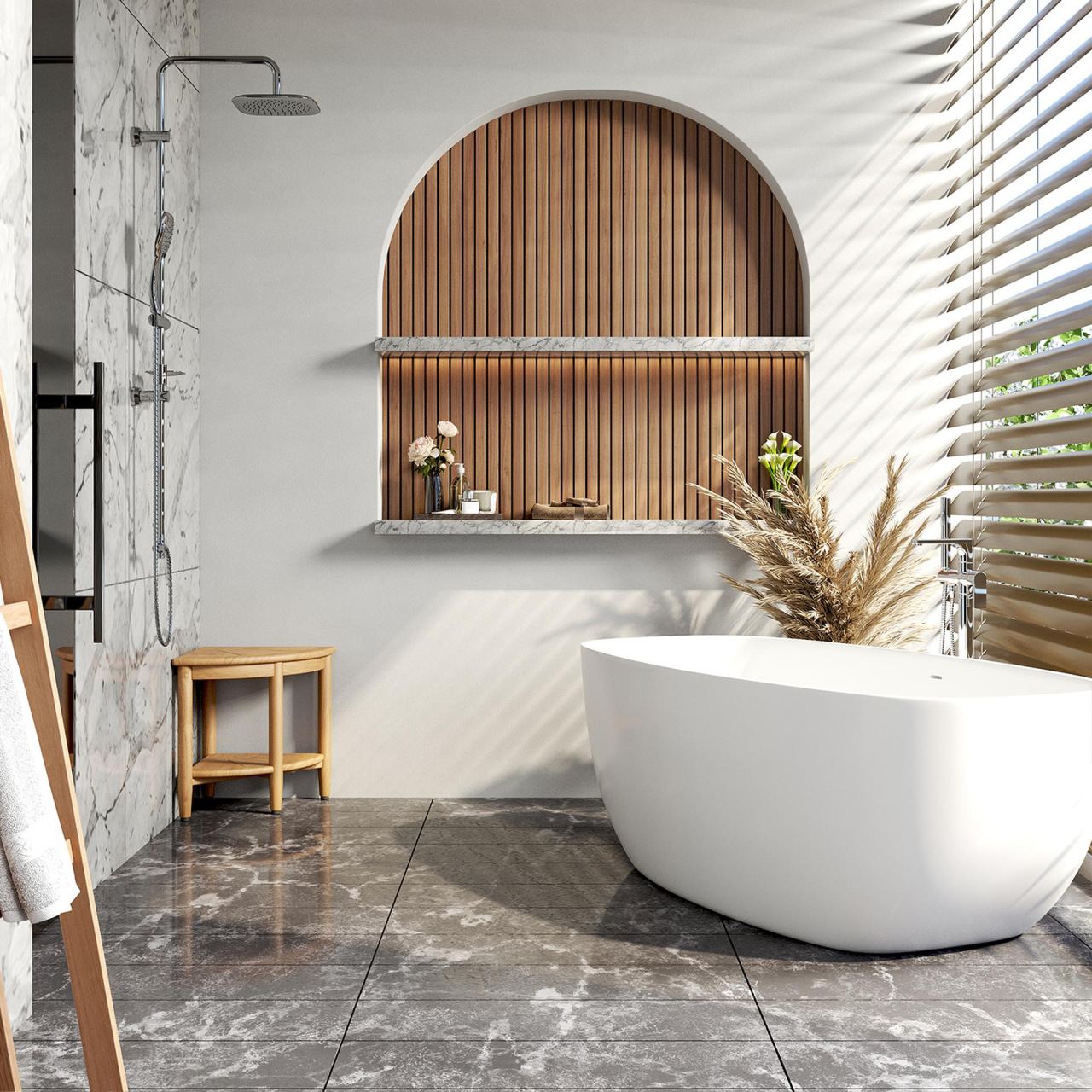
To figure out how to furnish a new home successfully, start by measuring walking clearances and floor plans before buying any furniture.
Empty rooms deceive the eye, making oversized sofas and dining sets look deceptively small in open showrooms.
This guide helps homeowners sequence purchases, balance solid teakwood with metal and fabric, and layer lighting for daily life.
Start with Room Measurements
Empty floors trick the eye into buying furniture that leaves no room to walk. Leave about 75cm of clear space around major pathways so doors open fully.
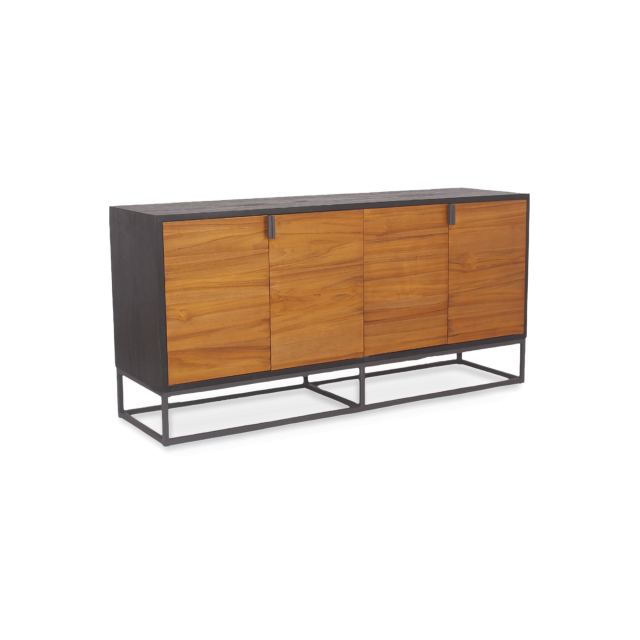
A sideboard or a console needs proper clearance against a walkway to prevent bumping. Map the exact footprint on the floor with masking tape before committing to a size.
Solid teakwood pieces hold significant visual weight in a compact apartment. Measure the vertical wall height too, ensuring tall storage units leave breathing room below the ceiling line.
Prioritise the Main Furniture First
A living room settles around its primary seat once the dimensions are locked in. Position the largest anchor piece first before bringing in any side tables or lamps.
The seating arrangement dictates how light and movement flow through the rest of the room. Keep conversational groupings tight enough that people do not have to raise their voices across the gap.
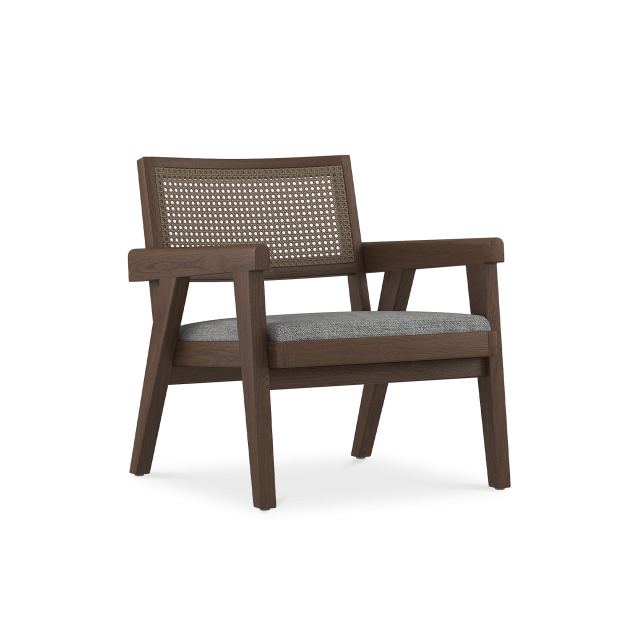
Add smaller layers only after the main anchor piece establishes the visual scale. A solid teakwood frame with woven details anchors the floor plan without overwhelming the surrounding walls.
Balance Textures and Materials
Flat surfaces need contrasting textures to keep a new room from feeling sterile. Mix solid wood grain with rough woven rope and cool metal to catch the eye.
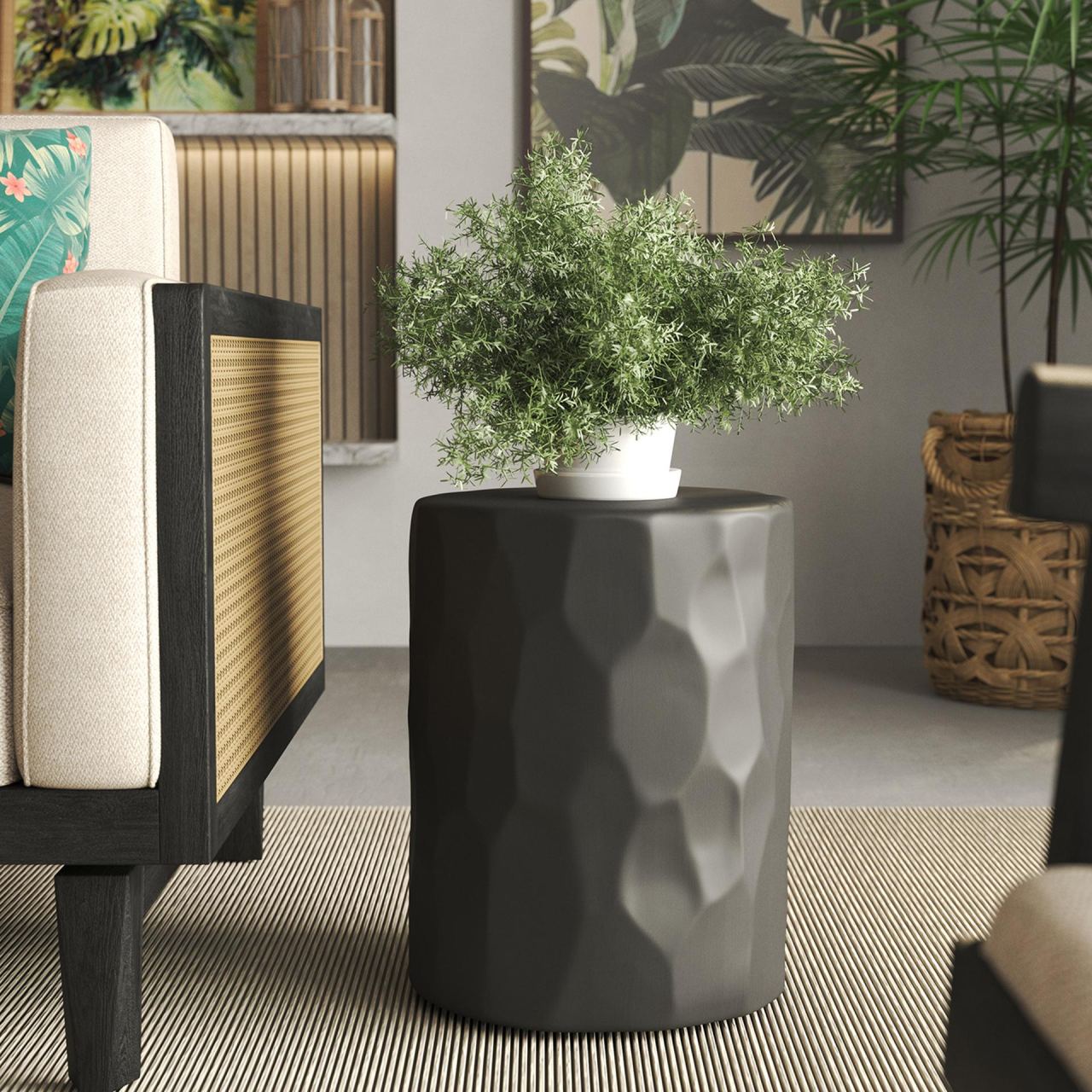
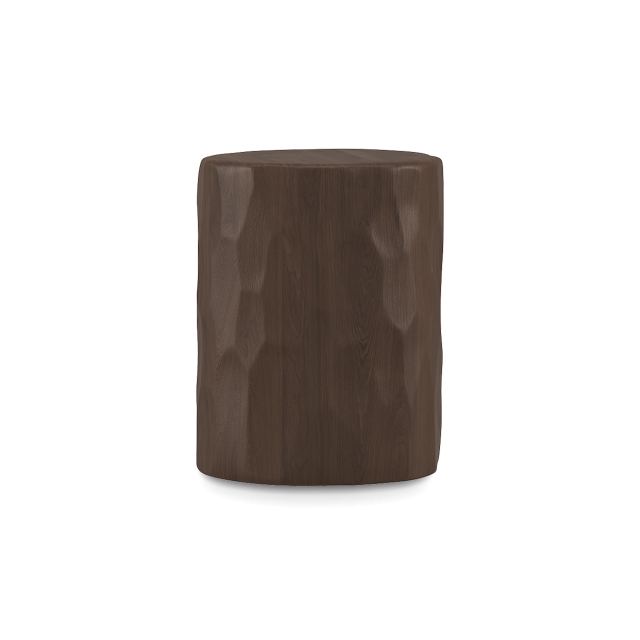
A heavy organic shape grounds a seating corner better than standard geometric boxes. Natural materials age gracefully when left unsealed and cared for with basic oils.
Position smaller accent pieces where they break up wide expanses of uniform flooring. Let natural light strike the contrasting grains throughout different hours of the day.
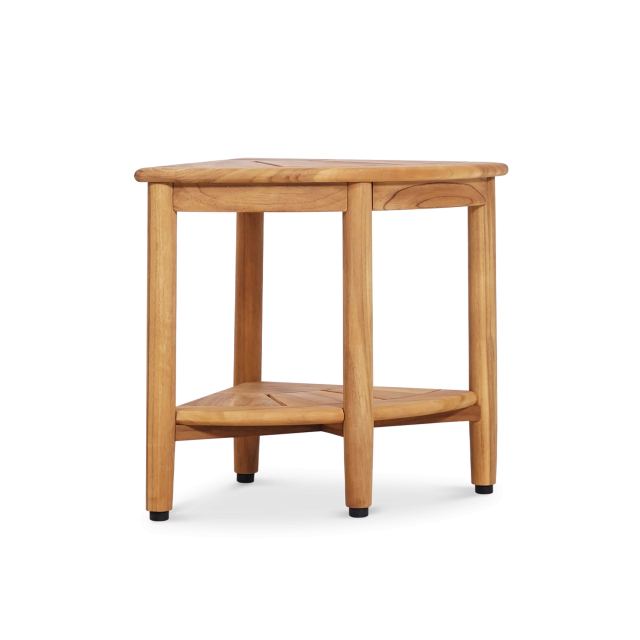
Layer Lighting for Everyday Use
A room stays flat when a single light source hangs from the centre of the ceiling. Move light down to the eye level and across different zones to give the space depth.
Place a floor lamp beside a reading chair to cast a bright, clear glow without glaring into the room. Three brushed nickel arches sweep overhead to catch corners where overhead fixtures fail.

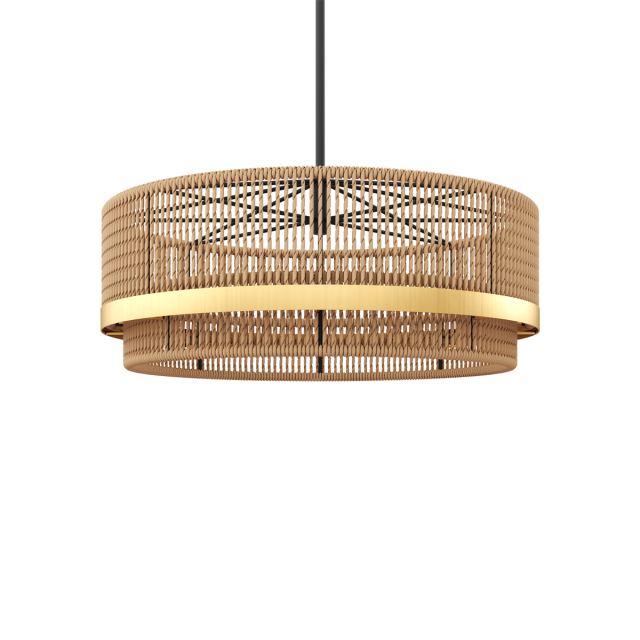
Hang woven textures over dining spaces or reading corners to catch shadows and soften the overall glare. Each shade is woven by hand to bring organic warmth directly overhead.
Common questions on furnishing a new home
Timing the arrival of your furniture prevents boxes from stacking up while rooms are still being finished. Large anchor pieces require clear pathways through doorways before smaller decorative items arrive.
Measure your stairwells and elevators early if you live in a multi-storey building. Clear walking clearance around heavy furniture keeps rooms functional and prevents the space from feeling cramped.
Practical Questions
Should I buy all my furniture at once?
Prioritise the main anchor pieces like your sofa and bed first, then layer in accent tables and lighting once you live in the space.
How do I know if a sofa is too big for my living room?
Leave at least seventy-five centimetres of walking clearance around the edges so the room remains easy to cross.
Ready to Begin
Measure your floor space and prioritise the largest anchor pieces first.
Visit the Glenmarie flagship showroom or speak with our design team to refine your layout.
Planning a Full Home?
We can help with layouts, materials and pieces that work together.