Journal · Buying guides · 3 min read
What Makes a Good Sofa
Learn how to assess frames, cushions, and materials to choose a sofa that lasts for years.

Afternoon light hits the cushions, and the entire living room settles into the quiet hours before the evening rush. A light frame flexes under weight within months, leaving cushions flat and the seat permanently slouched.
A good sofa combines a solid teakwood frame with dense foam cushioning and durable upholstery that withstands daily sitting without sagging. Examining frames, foam densities, and upholstery helps you spot a durable piece.
Check the Frame First
A dependable sofa stands on a frame that refuses to twist under weight. Our studio designs each piece around a solid teak skeleton, which absorbs daily pressure without shifting at the joints.
Weak pine or manufactured board bends over time, letting cushions sag into hollows. Solid teakwood holds screws firmly and keeps the entire platform square across years of use.
Evaluating Cushion Density
Comfort comes from layers that push back rather than collapse flat. High density foam forms the core, giving firm support while down or softer fibers wrap the outer edges for immediate give.
Sit down and notice how quickly the cushion returns to its original shape. A good seat distributes weight evenly across the platform so you never sink into a hard spot.
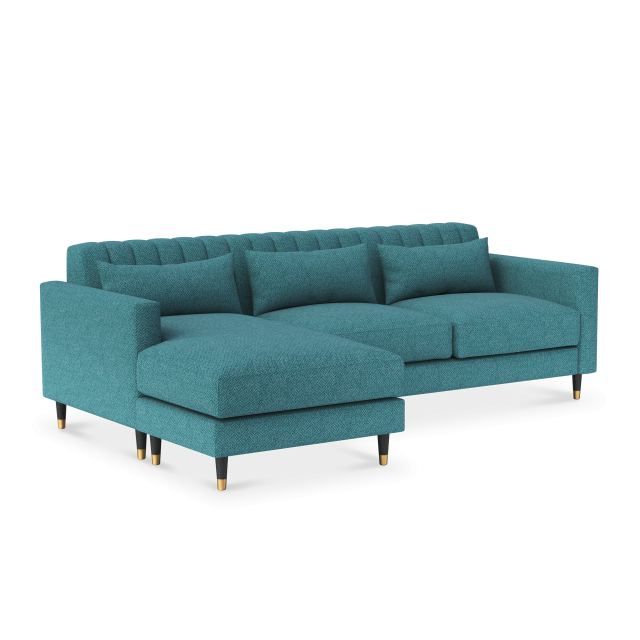
Selecting Upholstery Fabrics
Fabrics take the daily wear of sitting, leaning, and resting. A tight weave resists snags from keys or buttons, while a soft hand-feel matters against bare skin. Leather develops a rich patina over the years, softening where hands rest most often. Performance fabrics shed accidental spills quickly, making them practical for busy living spaces. Touch the surface before deciding, because texture changes how a color reads in morning light versus evening lamps.
Leather demands a different kind of care than woven textiles, requiring occasional conditioning to keep the hide supple. Woven fabrics hold warmth differently, offering a tactile grip that feels cozy during cooler months. Consider how sunlight hits the room, as direct rays can fade untreated dyes over long periods. Choose the material that matches your daily habits rather than an idealized version of your routine.
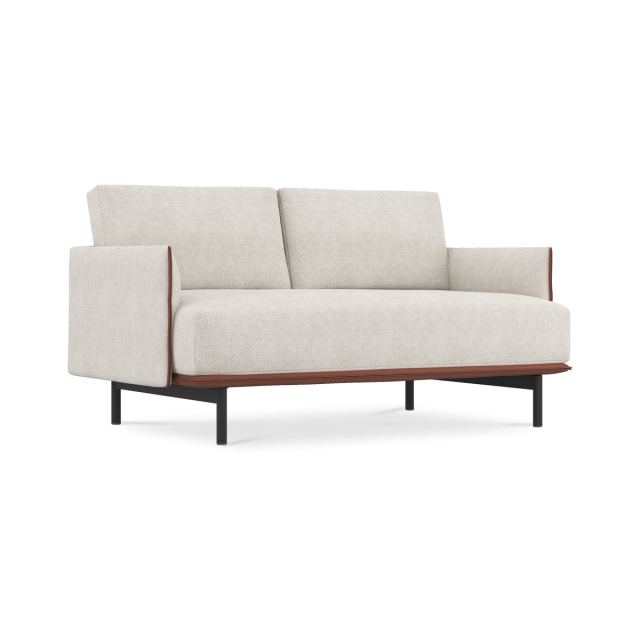
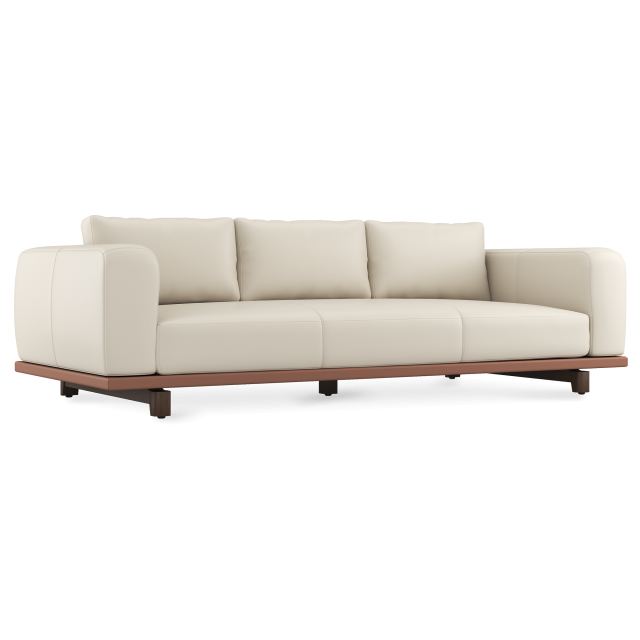
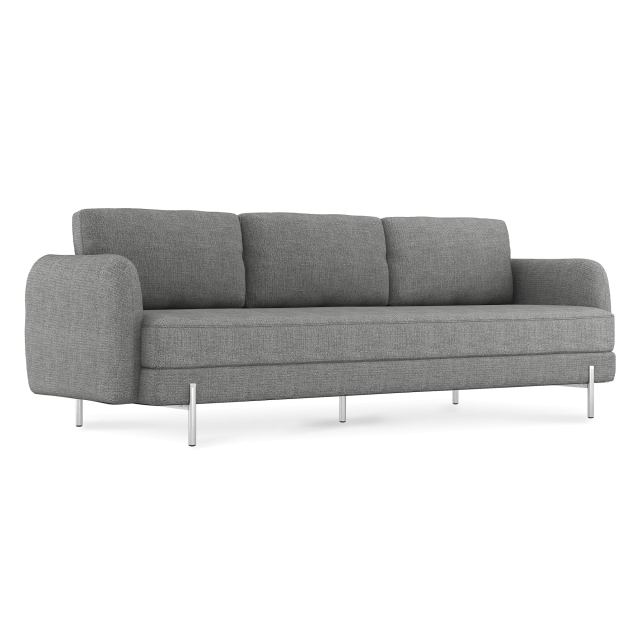
Cool performance fabric brings soothing comfort to compact living spaces. Striking leather-clad aluminum base grounds an expansive low-profile silhouette.
Common Sofa Questions Answered
Measuring your space correctly prevents a new sofa from dominating the room or leaving awkward gaps. Leave enough clearance around the edges to walk comfortably without clipping the arms. Regular vacuuming removes dust particles that wear down fabric fibers over time. Fluffing loose cushions weekly redistributes the filling and keeps the seating surface even.
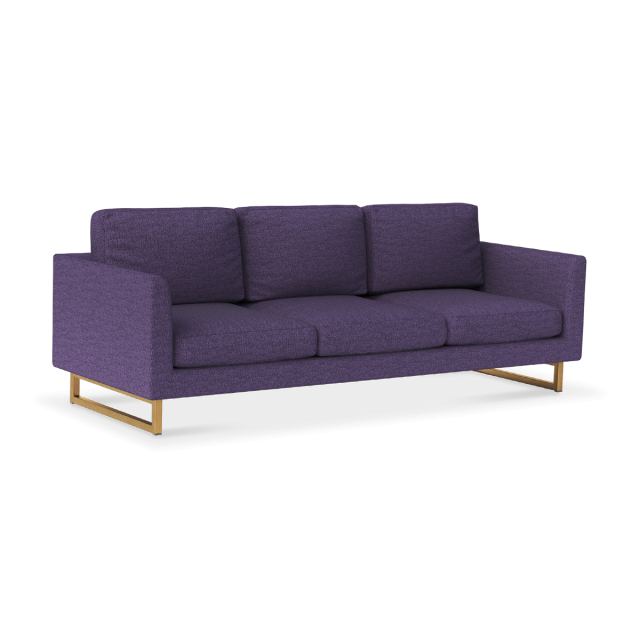
Minimalist angular structure features organic curves for smaller living rooms.
Practical Questions
How much space should I leave around a sofa?
Leave about 75cm of clear floor space beside or in front of the sofa to walk comfortably.
How do I clean performance fabric?
Blot spills immediately with a clean, damp cloth and mild soap, avoiding harsh scrubbing.
Can I place a sofa directly in sunlight?
Direct sunlight can fade fabrics and dry out leather over time, so position seating away from unshaded windows if possible.
Before You Choose
Choose a sofa built with a solid teakwood frame and support that fits your daily routine.
Visit the Glenmarie flagship showroom to test the seating in person.
Planning a Full Home?
We can help with layouts, materials and pieces that work together.