
Journal · Buying guides · 6 min read
How to Choose and Layout Bedroom Furniture for a Calm Space
A guide to planning your bedroom layout, choosing the right bed dimensions, and mixing materials to create a balanced, restful sanctuary.
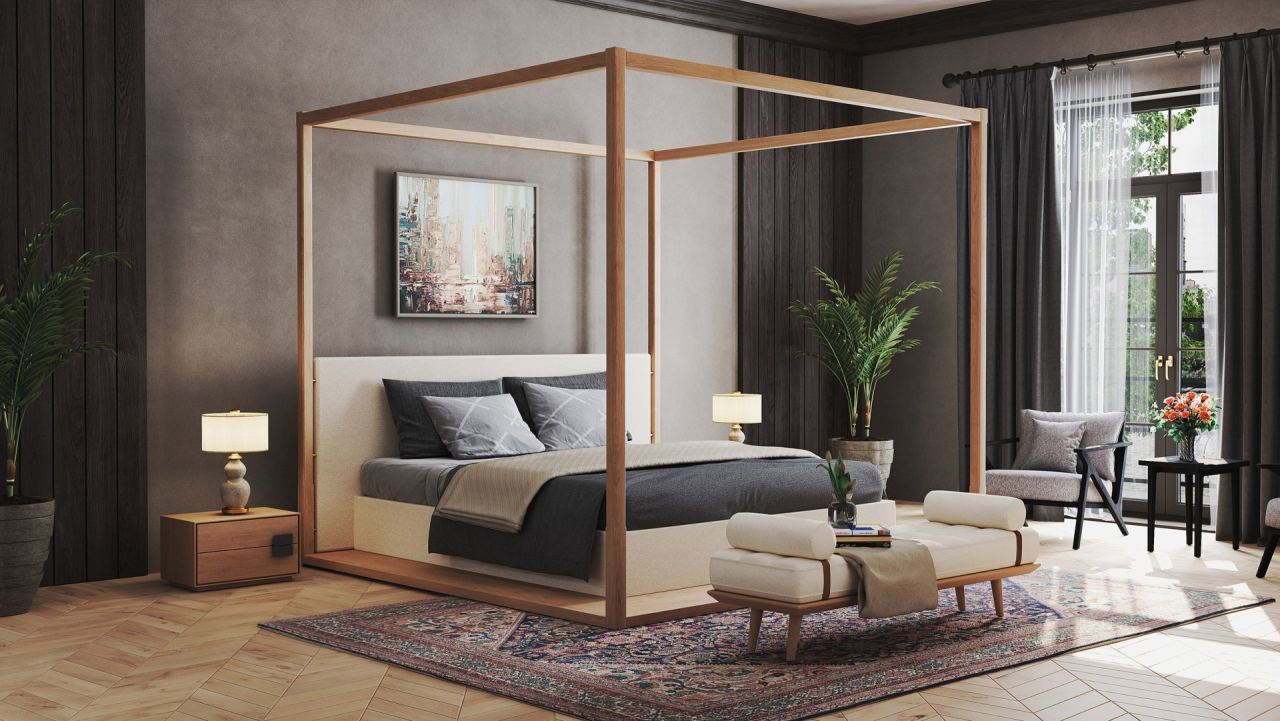
The bedroom is more than a place to sleep. It is a personal sanctuary, a quiet retreat where the day begins and ends. When designing this space, many of us naturally start with the visual appeal of a bed frame. We fall in love with a headboard or a specific wood finish before considering how the piece interacts with the rest of the room. This often leads to a common showroom realization: a beautiful bed is chosen, only for the owner to discover that the bedside tables do not fit, the wardrobe doors cannot fully open, or the walking paths feel cramped. A good bedroom is not about filling the room with furniture. It is about choosing the right pieces, in the right proportions, so the space feels calm, comfortable, and complete.
Start with Scale: Room Size and Bed Dimensions
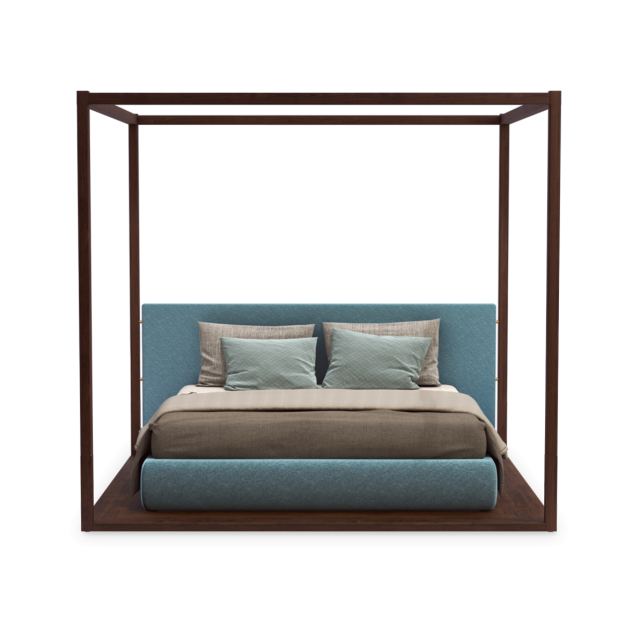
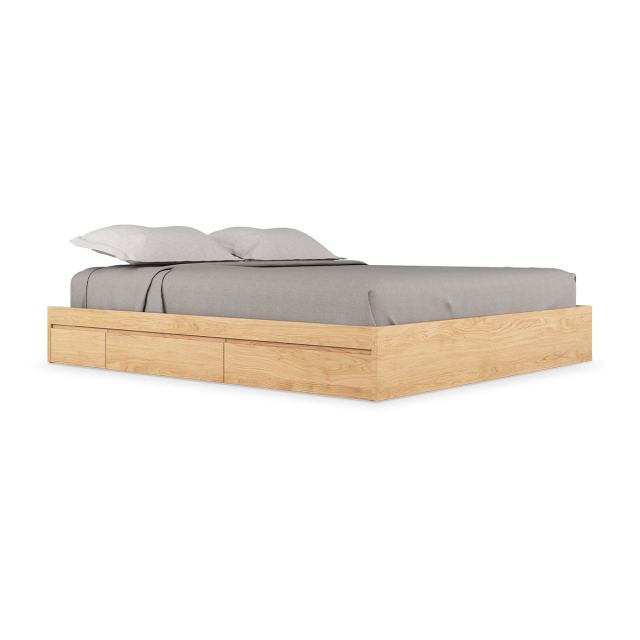
To create a balanced layout, we must start with scale. The relationship between your room size and bed dimensions is the foundation of the entire design. Before choosing between a standard king, like the Clay Bed Base, or a larger format like the Clay Super King Bed Base, you must map out the physical footprint. A bed frame often extends beyond the mattress dimensions. A solid teak frame or a generously padded headboard adds depth and width that can quickly consume valuable floor space.
We recommend leaving at least 60 to 70 centimeters of clear walkway on both sides of the bed and at the foot. This allows you to move naturally without turning sideways or bumping into walls. If you have your heart set on a grand statement like the Cory Super King Bed base, ensure your room width can accommodate both the frame and two nightstands without crowding the corners. For more compact rooms, a streamlined option like the Eden Bed provides a clean, structured profile that maximizes the surrounding floor area while maintaining an elegant presence.
Circulation and the Flow of the Room
Circulation is the invisible element that defines how a room feels. A bedroom should feel effortless to navigate, even in the dark. This means planning for the swing of doors, the glide of drawers, and the daily rituals of dressing. Wardrobes are often the largest secondary pieces in the room, and their placement is critical. Standard swinging doors require significant clearance, which can block pathways or collide with the bed base.
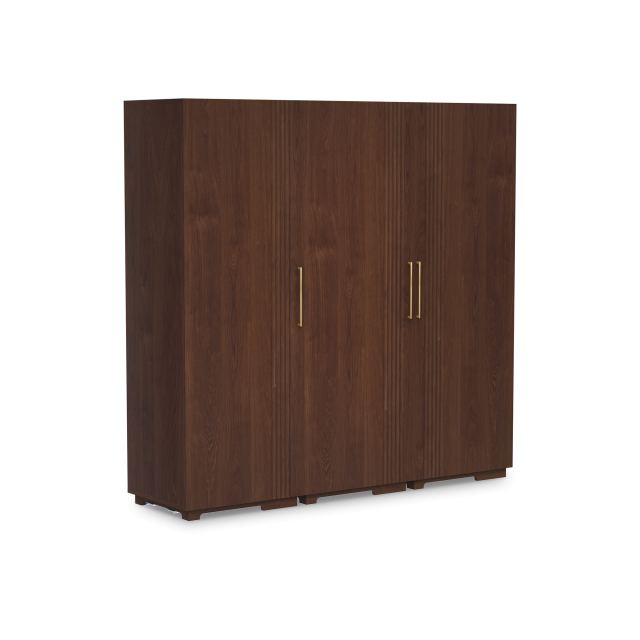
To solve this, consider modular storage systems that can be tailored to your space. The Alea Modular Wardrobe Set, which can be configured using the Alea Wardrobe Module and the Alea Wardrobe Middle Module, allows you to plan storage that aligns perfectly with your room dimensions. By placing these modular units along a single wall, you create a built-in look that keeps the center of the room open and airy. Ensure that there is at least 90 centimeters of clearance in front of any wardrobe to allow you to stand, open the doors fully, and browse your clothing comfortably.
Proportioning Bedside Tables and Storage
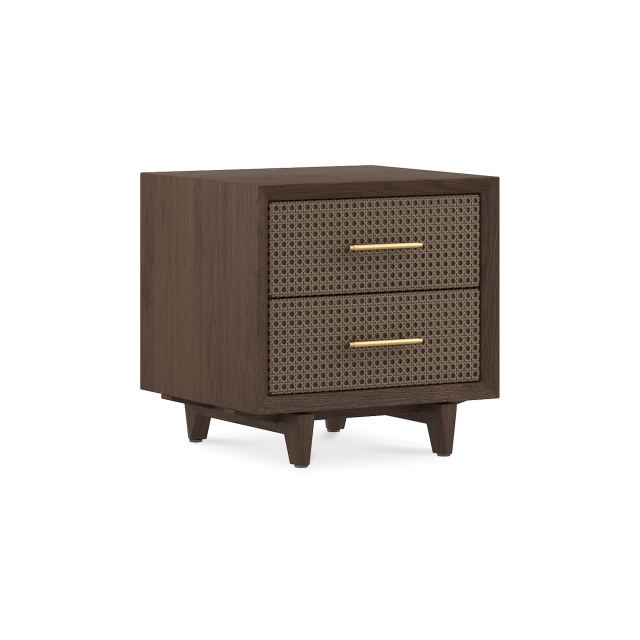
Bedside tables should never be an afterthought. They anchor the bed visually and provide essential functionality. The key to choosing the right nightstand is proportion. Ideally, the height of your nightstand should align closely with the top of your mattress, or sit just a few centimeters lower. This makes it easy to reach for a book or a glass of water without straining. The Dane Nightstand offers a clean, architectural profile that pairs beautifully with low-profile bed bases, providing both surface area and discreet drawer storage.
If your nightstands are too small, they will look lost next to a large bed like the Cory Bed Base. If they are too large, they will crowd the bed and make the entire wall feel congested. Aim for a nightstand width that is in scale with your bed. A king bed pairs well with wider nightstands, while a queen bed benefits from more compact, slender designs.
The Role of Bed Benches and Dressers
Once the bed and bedside tables are positioned, you can look at additional storage and seating. A dresser is a wonderful addition if space permits. The Dane Wide Dresser provides generous drawer space while offering a flat surface for personal items, art, or a mirror. Position your dresser opposite or adjacent to the bed, ensuring there is enough room to fully extend the drawers and stand in front of them.
If you have extra space at the foot of your bed, a bed bench is an excellent way to ground the layout. Pieces like the Cassia Bed Bench or the Cariso Bed Bench add a touch of refinement and practical seating. A bench is perfect for putting on shoes, laying out clothes for the next day, or simply breaking up a large expanse of open floor. It should be slightly narrower than the width of your bed frame to maintain a balanced, stepped silhouette.
Mixing Materials for a Curated Feel
A common design mistake is buying a fully matched bedroom set. While this might seem easy, it often results in a space that feels flat, sterile, and devoid of character. A more considered approach is to mix materials with a shared design language. This creates visual texture and warmth, making the room feel curated over time.
Start with a primary material, such as the rich grain of solid teak, and introduce contrasting textures. You might pair a teak bed base with an upholstered headboard like the Elena Headboard ELENA-HB, which introduces the soft, inviting texture of premium fabric or boucle. This contrast between the clean, structural lines of wood and the organic softness of textiles instantly makes the space feel more comfortable. You can then introduce metal accents through drawer pulls or lighting, and perhaps a touch of leather or sintered stone on a dresser top. This layered approach ensures your bedroom feels personal, sophisticated, and deeply comfortable.
Practical questions
How much space should I leave around my bed?
We recommend leaving at least 60 to 70 centimeters of clear walkway on both sides and at the foot of the bed. This ensures comfortable daily movement and easy bed-making.
Should my nightstands match the bed frame material?
Not necessarily. Mixing materials, like pairing a fabric-upholstered headboard with solid teak nightstands, creates a more layered, curated look that feels warm and inviting.
How do I choose the right height for a nightstand?
Ideally, your nightstand should sit level with the top of your mattress, or up to 5 to 10 centimeters lower. This allows for comfortable reach while lying down.
Planning a full home?
We can help with layouts, materials and pieces that work together.