Journal · Buying guides · 3 min read
How to Choose the Right Chair for Dining and Living Spaces
A chair must support how you sit, eat, and relax. Here is how to balance seat height, backrest angle, and armrest clearance before you buy.
Measure table height and armrest clearance first
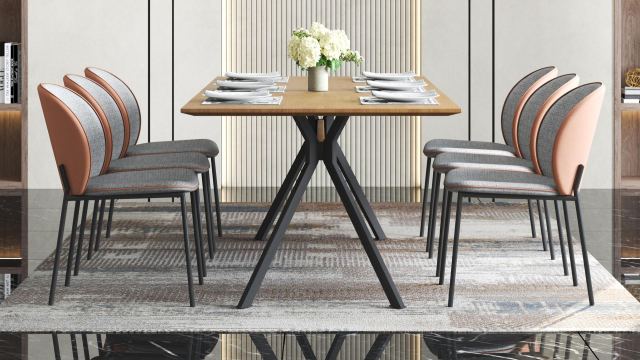
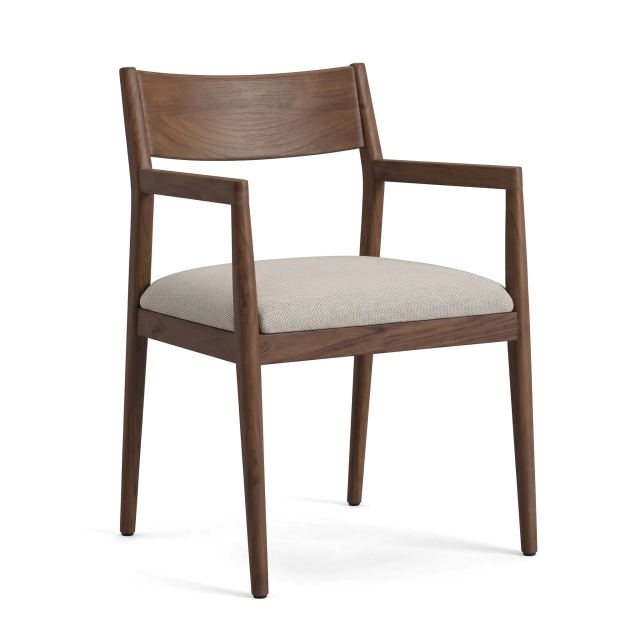
A dining chair must clear the underside of your table with enough space for comfortable movement. A gap of 25cm to 30cm between the top of the seat cushion and the table surface lets your legs move freely. If your dining chair features armrests, measure the clearance beneath the apron or tabletop edge. You need at least 15cm of vertical space above the armrest so the chair slides fully under when not in use.
Match seat depth and height to your sitting posture
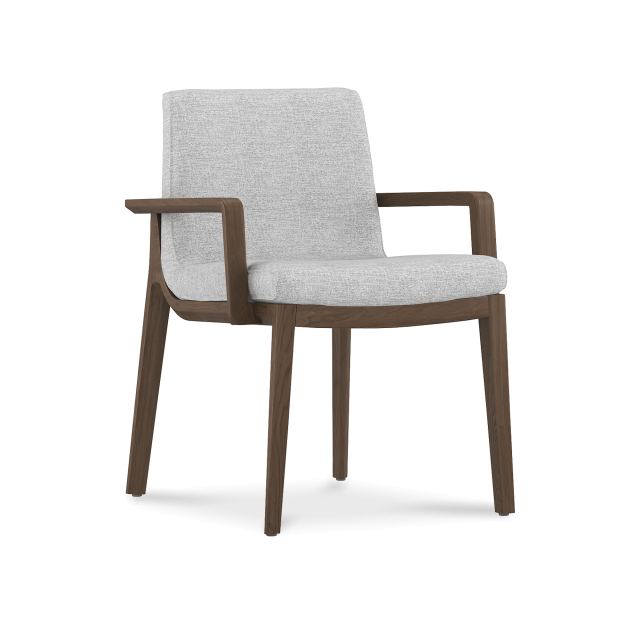
Upright sitting for meals requires a seat depth between 40cm and 45cm so your feet rest flat on the floor while your back meets the backrest. A deeper seat forces you to slouch forward during dinner, which strains your lower back. Living room lounge chairs extend seat depth to 55cm or more, shifting your posture into a relaxed recline.
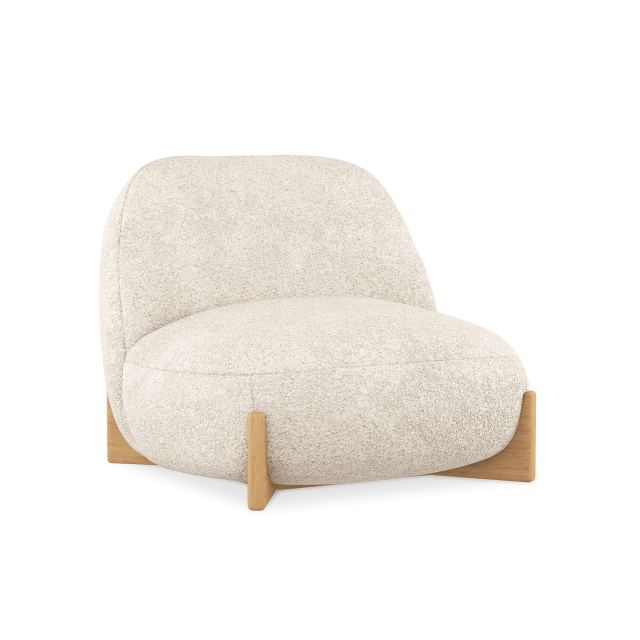
Select lounge chair angles for true relaxation
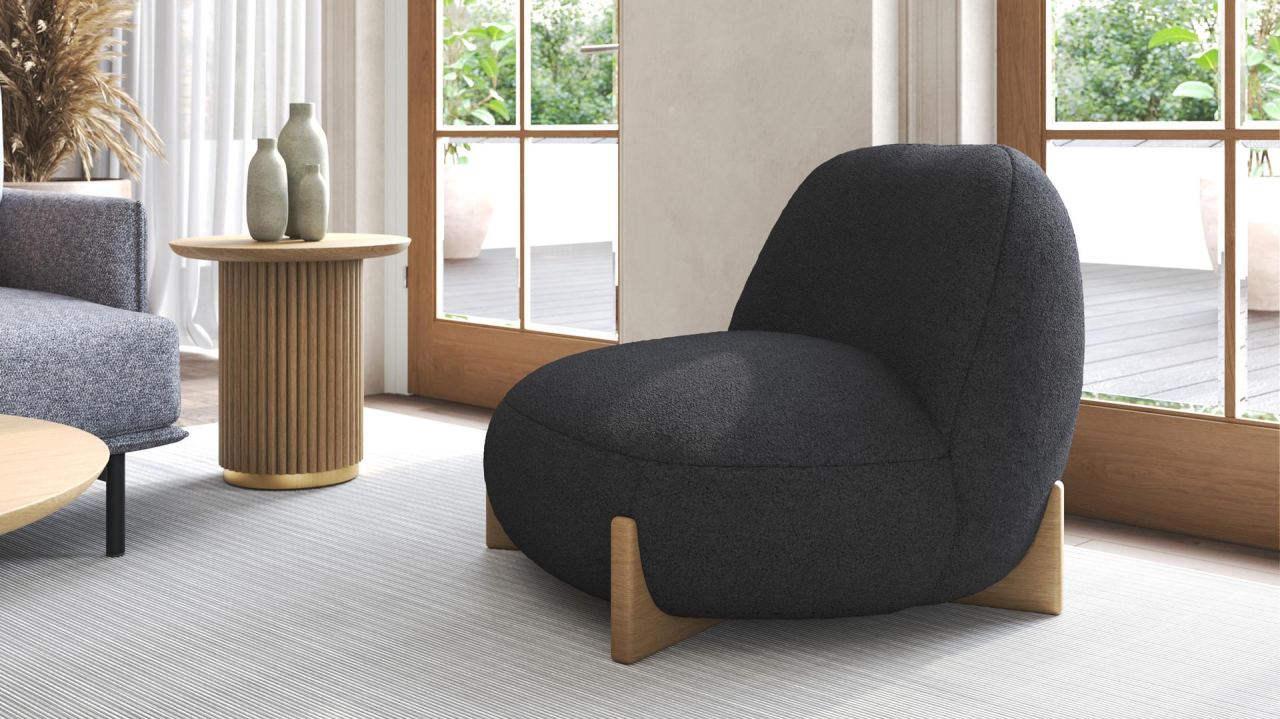
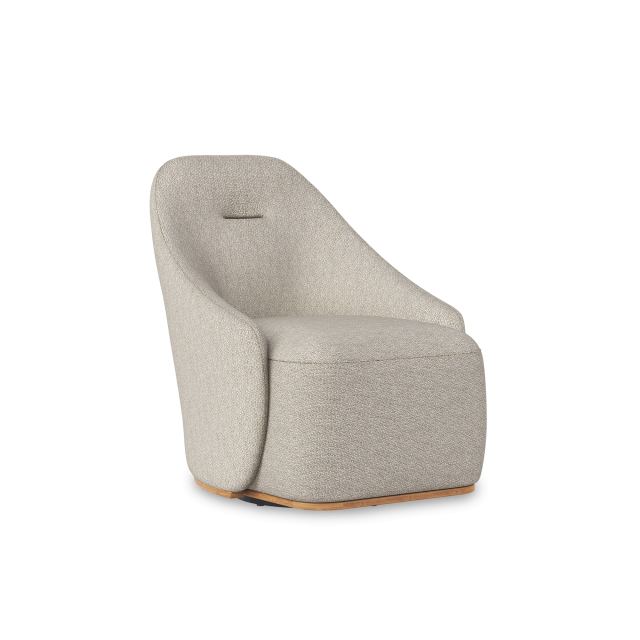
A lounge chair changes how you rest by tilting your torso back and lifting support under your thighs. High backrests protect your neck during long reading sessions, while smooth swivel bases let you turn between conversation and views without shifting the frame. Choosing a deeper leather or padded seat allows weight to distribute evenly across soft foam cushions.
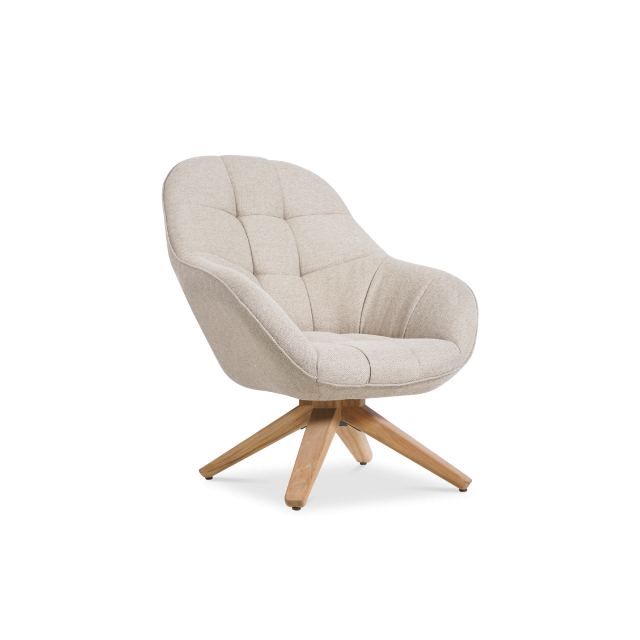
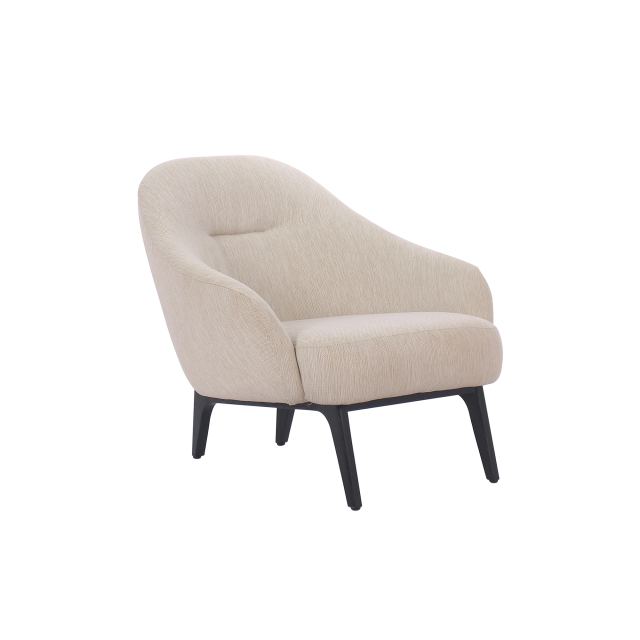
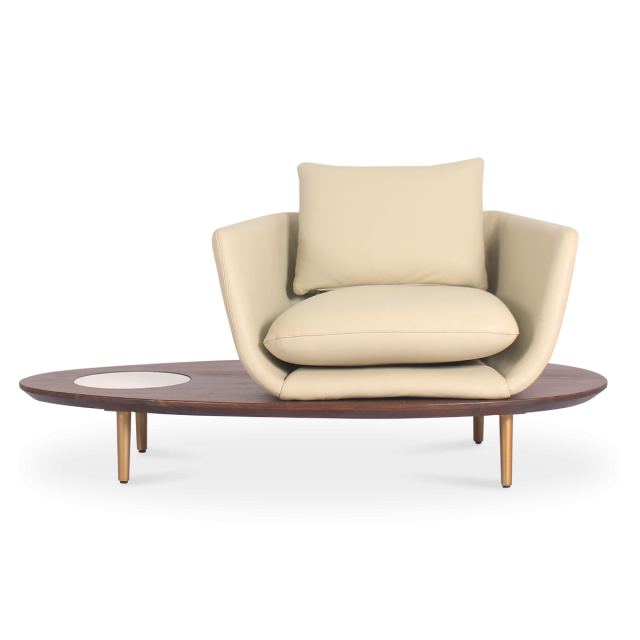
A chair can look beautiful but still feel unsuitable for the person or table using it. Sit and try before choosing.
Dezign District design team
Choose materials based on daily wear and tactile feel
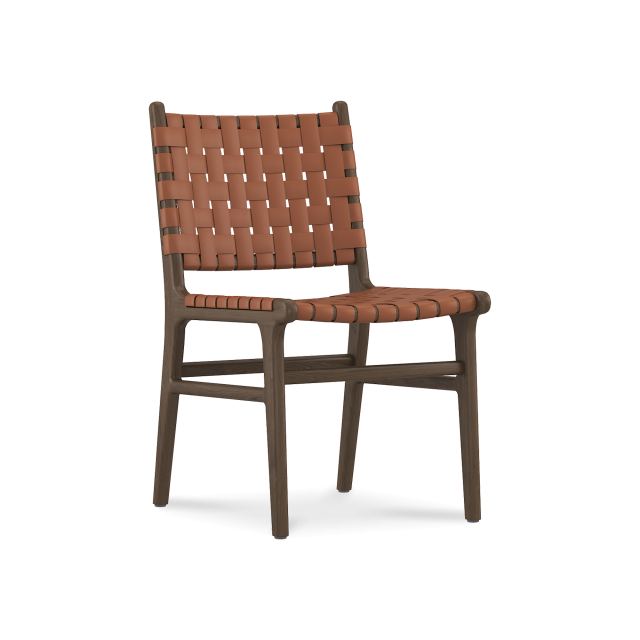
The frame material sets the structural weight and lifespan of a chair, while the surface touch determines how it wears through daily contact. Solid teak forms a durable, stable foundation that resists movement over years of regular use. When joined with handwoven leather straps, the seat gains a natural, flexible give that moulds gently to the body without requiring dense foam padding.
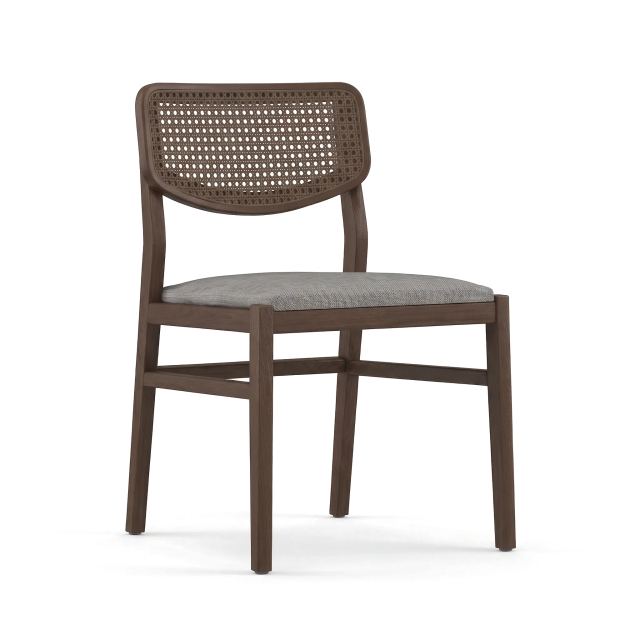
For dining spaces where air movement and lightness matter, handwoven wicker backrests paired with solid teak frames offer tactile warmth while keeping the visual footprint open. High-traffic living areas often benefit from soft upholstery over structured foam cushions, which cushion the frame while maintaining their shape. Matching the surface material to the room's daily routine ensures the chair ages gracefully.
Frequently Asked Questions About Chair Proportions
Getting the scale right requires looking at the physical gap between the seat and the tabletop, alongside how a lounge chair sits within a room's traffic paths. Checking clearance before purchasing prevents awkward sitting postures and ensures armrests glide smoothly under surfaces.
Practical Questions
How much clearance is needed between a dining seat and the tabletop?
Leave a vertical space of 25cm to 30cm between the top of the chair cushion and the underside of the dining table for comfortable legroom.
How do I make sure dining chair arms fit under the table?
Measure from the floor to the lowest point of the table apron, then ensure the top of the chair armrest is at least 2cm lower.
Can I test the chair comfort in person before deciding?
Yes, visiting the Glenmarie flagship showroom allows you to sit, test seat depths, and compare cushion support in person.
Planning a Full Home?
We can help with layouts, materials and pieces that work together.