Journal · Buying guides · 3 min read
Is Teak Furniture Worth It? How Solid Wood Holds Up Over Time
Solid teak furniture commands a higher price upfront because its natural oils protect it against moisture, wear, and changing humidity. Here is how to evaluate its value for your home.
Why solid teak commands a higher initial price
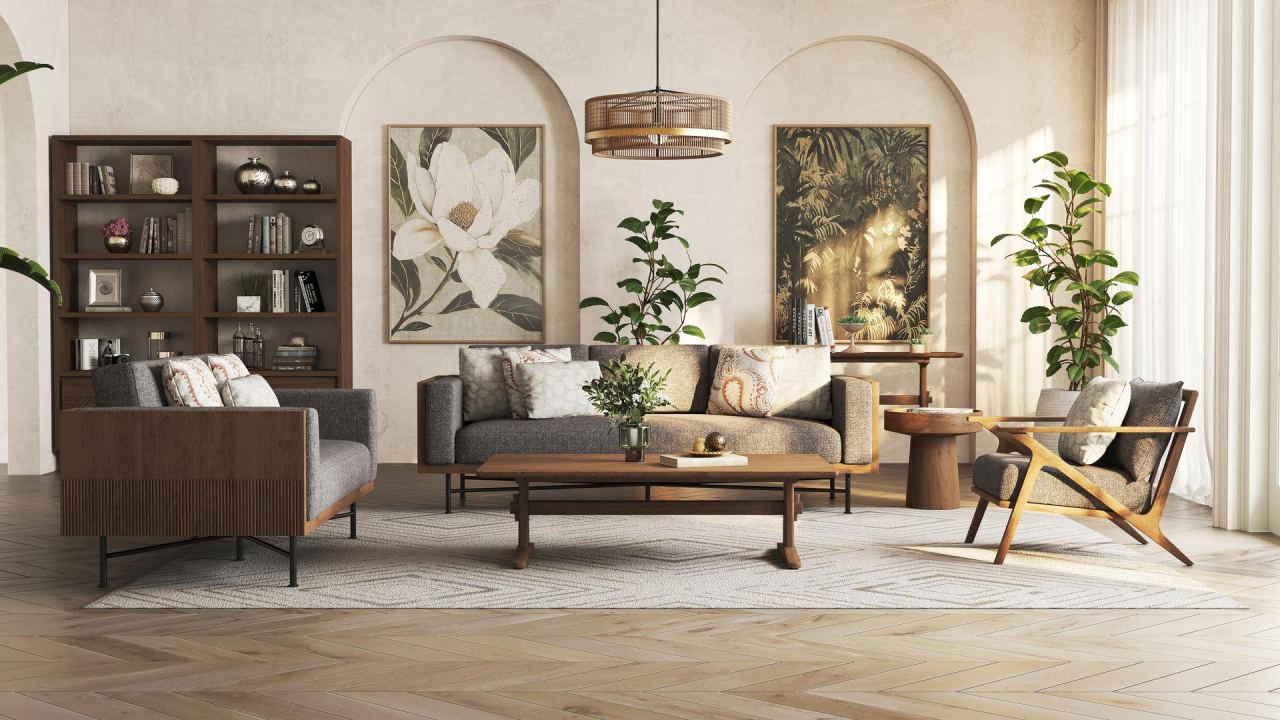
When deciding if is teak furniture worth it, the answer lies inside the grain. Solid teak carries a high density of natural oils and silica built into its fibers as it grows. This tight grain structure creates a natural barrier against moisture, preventing the wood from swelling, warping, or cracking when exposed to humidity changes across Malaysia and Singapore.
Unlike standard hardwoods that require chemical sealing to resist tropical air, teak protects itself from the inside out. Structural joinery and flat surfaces remain true over decades, making the higher initial cost an investment in long term stability rather than a recurring replacement expense.
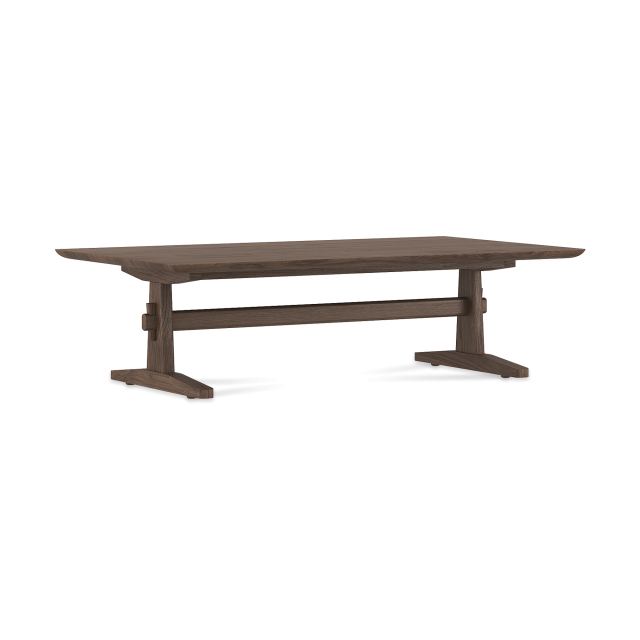
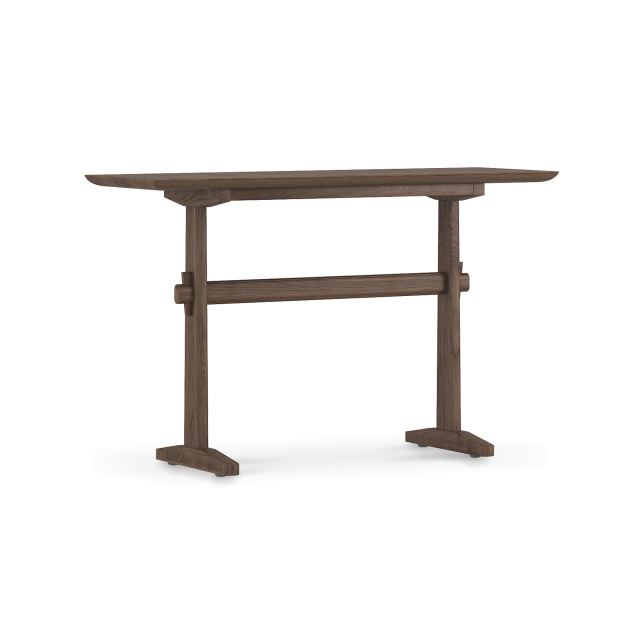
How teak ages and wears in daily domestic life
Daily life leaves subtle marks on furniture, but solid teak handles surface wear differently than softer woods or thin veneers. Instead of flaking or showing raw edges after a scratch, solid teak absorbs domestic activity into its surface. Minor scuffs soften as the wood responds to air, light, and touch.
Over years of use, solid teak deepens into a rich, warm tone rather than wearing down. It is an heirloom material designed to be kept, cared for, and passed down through generations while retaining its structural strength.
Teak furniture becomes graceful with age, deepening in character as it lives inside your home.
Dezign District design team
Using teak in high-moisture areas around the house
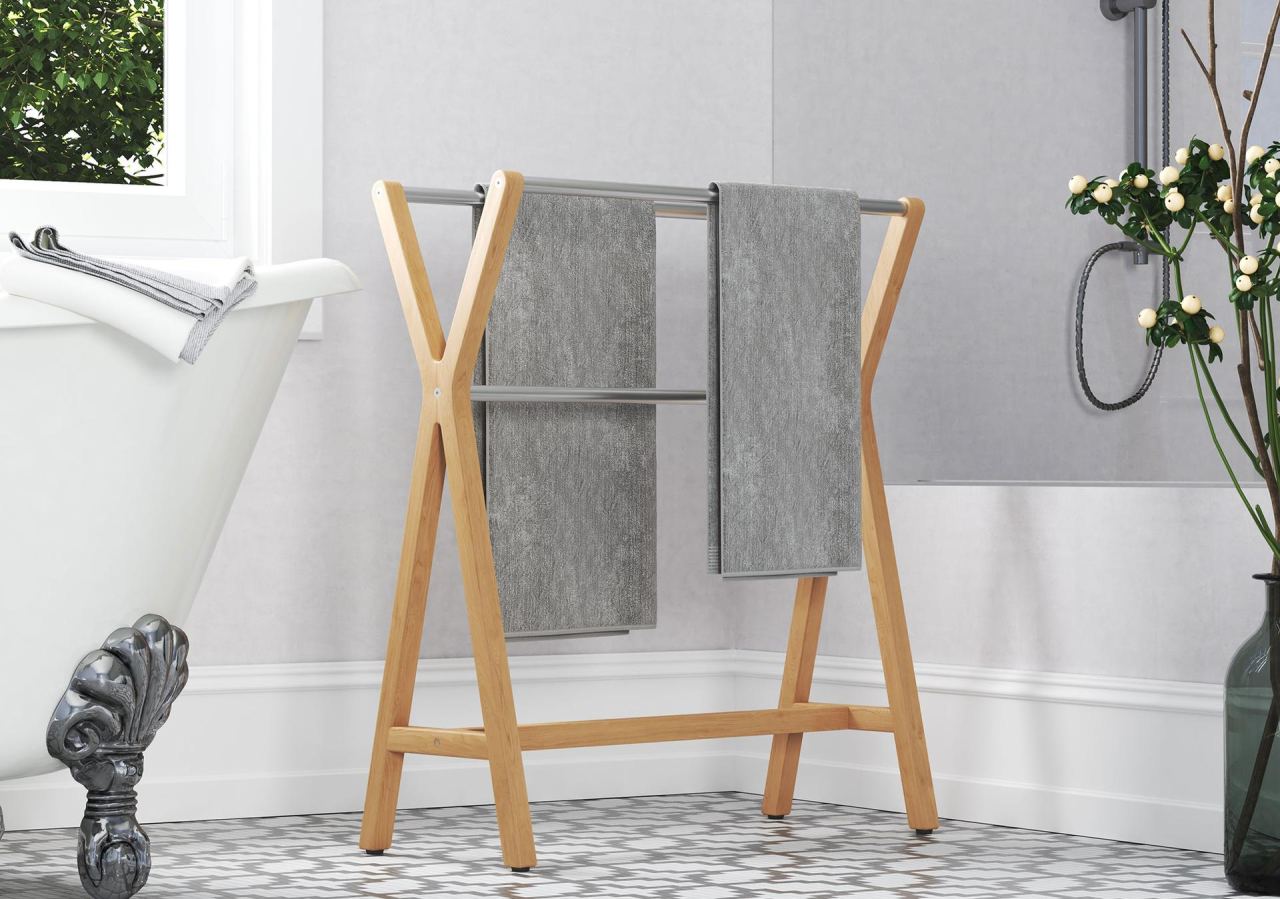
Bathrooms and wash areas present a harsh environment for indoor furniture. Steam, splash water, and stagnant air cause ordinary wood frames to expand and split at the joinery. Solid teak naturally resists water saturation due to its dense resin content.
Placing solid marine teak in damp spaces brings organic warmth without risking structural rot. Open slatted designs allow air and light to circulate around the wood, keeping towels and bath essentials organized on surfaces that dry quickly and hold their shape.


Maintaining solid teak to preserve its warmth
Daily upkeep requires very little effort because the high oil content of solid teak has a built-in barrier against moisture and dust. For daily cleaning, wipe the surface with a soft cloth dampened with clean water. Avoid harsh chemical sprays, which strip away the natural surface protection and dull the wood.
Over time, regular use and ambient light alter the surface tone. Applying an orange oil formula every few months hydrates the outer fibers, lifts embedded grime, and brings out the detailed grain without building up a sticky film. Apply the oil sparingly along the line of the grain, then buff the surface dry with a clean cloth.


Questions about buying and owning teak furniture
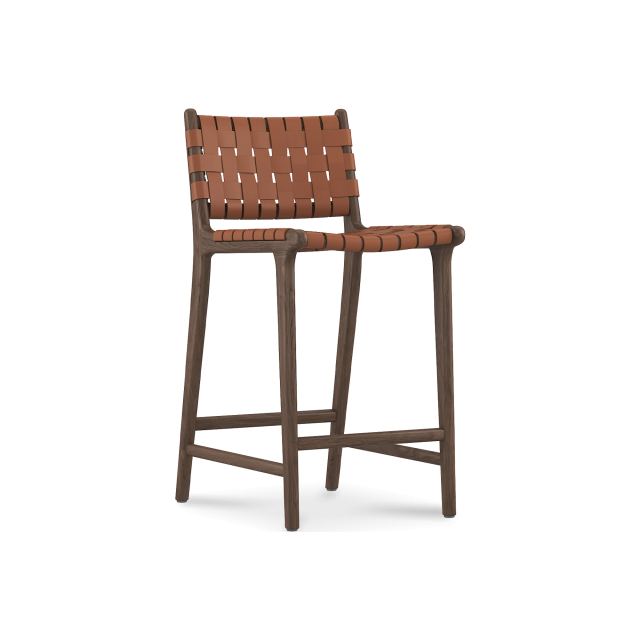
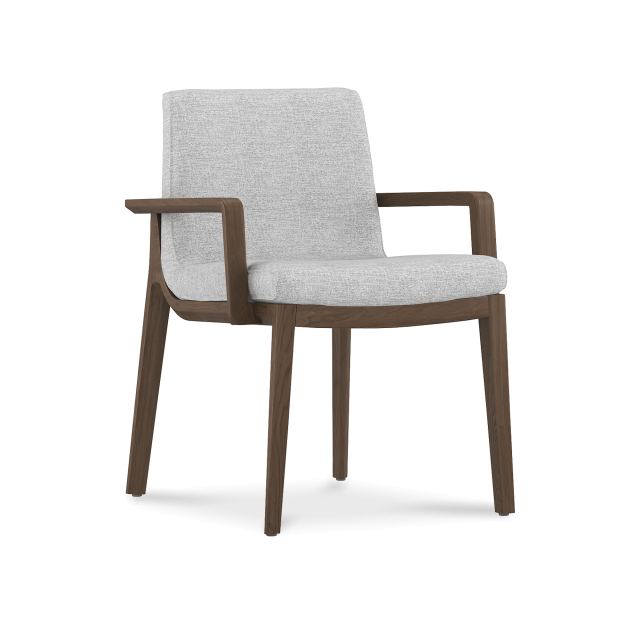
Dense wood grain gives solid teak furniture substantial weight and physical stability. A solid teak dining chair or counter stool feels firmly anchored, preventing sliding or tipping during daily use. This density also makes joinery points exceptionally stable over years of movement.
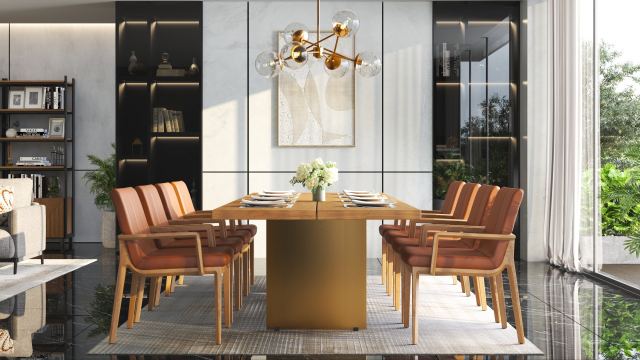
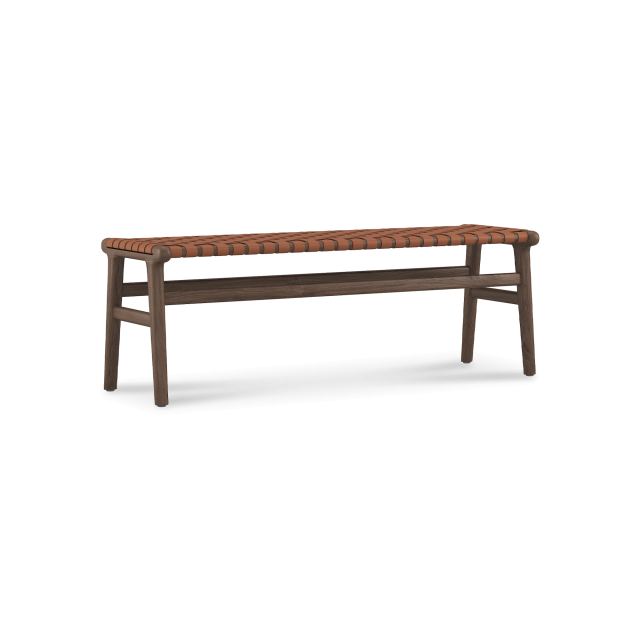
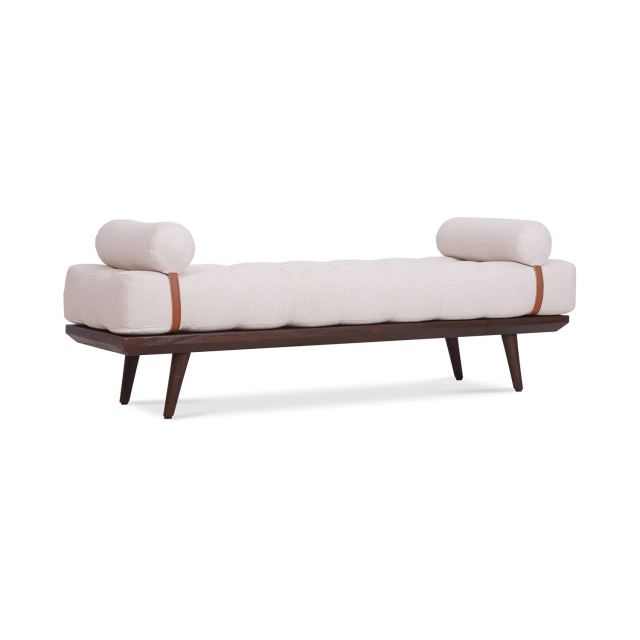
Combining solid teak with other tactile materials brings visual balance to a room. Natural leather upholstery on dining chairs and woven textiles on bedroom benches soften the rich structure of the wood frame, creating a cohesive interior that feels complete.
Practical Questions
Is teak furniture heavy to move?
Solid teak is a high-density hardwood, making it noticeably heavier than softwoods or veneered boards. This weight adds stability and structural strength to daily seating and dining tables.
How often does solid teak need oiling indoors?
Indoor teak furniture typically needs oiling or conditioning once every three to six months to maintain its rich tone and keep the grain hydrated.
Can you pair teak furniture with other materials?
Teak pairs exceptionally well with natural leather, woven fabrics, powder-coated metals, and sintered stone, anchoring lighter materials with its natural warm texture.
Planning a Full Home?
We can help with layouts, materials and pieces that work together.